
Enterprise Resource Planning (ERP) for SMEs
ERP systems integrate core business functions (finance, inventory, sales, HR, etc.) into one unified platform. This provides a single source of truth for data and processes across the company. For an SME, a well-chosen ERP can replace scattered spreadsheets and separate apps with one cohesive system, improving data visibility and decision-making.
An ERP helps streamline operations by automating routine tasks and ensuring all departments are connected. Small companies gain better oversight of everything from accounting to supply chain management, enabling them to operate more efficiently and react faster to issues. By centralizing information, an ERP reduces errors and duplicate work, which is especially valuable when resources are limited.
There are ERP solutions designed specifically for smaller businesses. For instance, SAP Business One was developed for companies with up to ~100 employees, and the cloud-based weclapp platform focuses on SME needs. These systems offer many of the same benefits as enterprise-grade ERPs but with simpler interfaces and pricing scaled to a small business budget. They illustrate that even SMEs can leverage robust ERP capabilities without the complexity of large corporate systems.
Customer Relationship Management (CRM) for SMEs
Definition: CRM software manages interactions with current and potential customers. It acts as a central database for all customer information – from contact details and communication history to lead status and support tickets. A CRM ensures that sales and customer service teams have up-to-date information at their fingertips, helping nothing fall through the cracks. Benefits for SMEs: A good CRM enables a small business to build stronger relationships by personalizing communications and staying on top of follow-ups. It can streamline the sales pipeline and improve customer satisfaction through timely, well-informed service. In fact, implementing a CRM system often leads to a significant increase in leads, sales revenue, and customer retention for companies. For an SME, these improvements can be transformative, turning a small business into something much bigger. Examples: Popular SME-friendly CRMs include HubSpot CRM, which offers a robust free plan ideal for small businesses just getting started, and Zoho CRM, known for its affordable plans that scale as a business grows. These tools are designed to be user-friendly and integrate with other apps (email, marketing, e-commerce, etc.), making them accessible even to teams without dedicated IT staff.
Other Important Software for SMEs
Beyond ERP and CRM, small businesses often benefit from other enterprise applications targeting specific needs:
- Project Management Tools: Help teams plan and track projects, assign tasks, and collaborate in real time. This keeps projects on schedule and ensures everyone knows their responsibilities. (For example, easy-to-use tools like Trello or Asana are popular among SMEs for organizing work.)
- Supply Chain Management (SCM) Software: Streamlines the flow of goods and information from suppliers to customers. SCM solutions help optimize inventory levels, manage orders and deliveries, and improve transparency across the supply chain. This is crucial for product-oriented businesses to reduce costs and meet customer demand on time.
- Human Resources (HR) Software: Manages employee-related processes such as recruiting, onboarding, payroll, time tracking, and performance reviews. An HR system helps SMEs automate administrative tasks and maintain accurate employee records. For instance, Personio is a cloud-based HR platform designed to help SMEs streamline their HR processes, covering everything from hiring to payroll in one system. By using HR software, small businesses can save time on paperwork and ensure compliance with labor regulations.
Choosing the Right Software
Selecting the right software is a big decision for any SME. Here are a few tips to guide your choice:
- Consider your specific needs: Identify the business areas that need the most improvement (e.g. inventory management, customer service, project tracking). Prioritize solutions that address those pain points, rather than getting distracted by features you don’t actually require.
- Look for user-friendly solutions: Choose software that is intuitive and easy to use, even for team members without an IT background. The last thing a small business needs is an overly complex system that nobody adopts. Check if the vendor offers training resources or good customer support to help your team get up to speed quickly.
- Factor in cost and scalability: Set a budget and find a solution that fits within it. Many enterprise software providers offer affordable cloud-based plans or even free tiers for SMEs. Consider not just current costs but also whether the software can grow with you – it should offer additional modules or higher tiers that you can upgrade to as your business expands.
- Seek recommendations and reviews: Do your research. Read reviews and case studies from other SMEs in your industry. It helps to learn from businesses similar to yours – their successes or challenges can inform your decision. You can also ask for recommendations from your network or business associations to find trusted vendors.
Introducing Supraworx: Integrated Solutions for SMEs
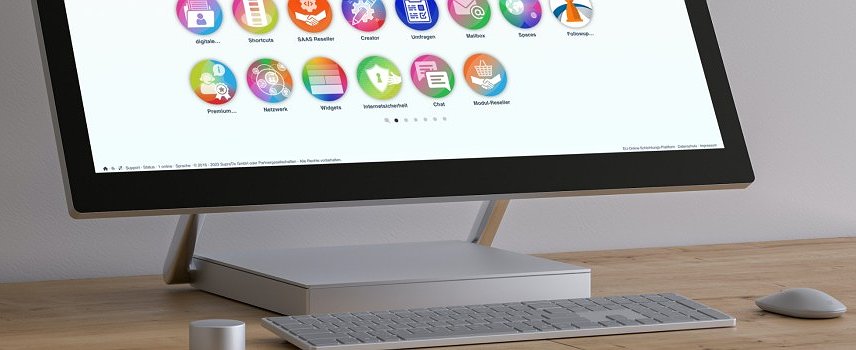
After looking at all these software categories, you might wonder if there’s a way to get the benefits of all of them without juggling multiple separate tools. This is where Supraworx comes in. Supraworx is a software provider that brings many of these enterprise-grade capabilities into an all-in-one platform tailored for small and medium-sized businesses. Developed by the German tech firm SupraTix, the Supraworx ecosystem is designed to help companies embrace digital transformation with ease.
- All-in-One Platform: Supraworx acts as a unified hub for your key business processes. It offers comprehensive solutions for e-learning and employee development, personal management (HR), supply chain optimization, and even an integrated B2B marketplace to connect with suppliers and business partners. In other words, many functions that an SME needs – from managing internal operations to dealing with external partners – can be handled within the Supraworx platform. This eliminates the need to purchase and integrate many separate software tools, saving time and money.
- SME-Focused Benefits: Because it’s built with smaller companies in mind, Supraworx emphasizes ease of use, flexibility, and cost-effectiveness. The platform is cloud-based and accessible across all devices, enabling your team to work and collaborate from anywhere (a big plus in today’s hybrid work environment). Modules are integrated yet modular – you can start with the features you need most and expand as your business grows. Crucially, the solutions are specifically tailored to the needs of SMEs, not downsized enterprise software. This means a cleaner interface and features that provide value right out of the box.
- Innovation and Support: Supraworx leverages modern technologies – benefiting from SupraTix’s expertise in areas like AI, smart automation and even IoT integration – to give smaller businesses a competitive edge. For example, routine processes can be automated and data from different parts of your business can be analyzed for insights, much like in big-company systems. Despite its advanced capabilities, Supraworx remains user-friendly and comes with support resources to help SMEs succeed. (SupraTix as a company has been at the forefront of cloud and AI innovation, and that know-how is built into Supraworx.)
In addition, the platform fosters community and collaboration through its B2B marketplace and learning tools, which can help your business connect with experts and opportunities beyond your own walls.
Getting Started: Adopting a new system might sound daunting, but Supraworx makes it easy to try and implement. The platform offers a 14-day free trial for interested businesses to explore all its features in a risk-free manner. This means you can test how Supraworx’s ERP, CRM, HR, and other modules work together for your specific workflows before making a commitment. Supraworx’s team can also assist with onboarding and data migration, ensuring a smooth transition from your old processes.
By choosing the right enterprise software, even a small business can achieve big improvements in productivity and growth. Supraworx aims to be the partner that provides SMEs with those tools in a seamless, integrated way. Instead of piecing together multiple products, a solution like Supraworx gives you everything you need in one place – helping you streamline operations, build stronger customer relationships, and make data-driven decisions with confidence. With the robust yet accessible platform that Supraworx offers, SMEs can compete at a higher level and focus on what they do best, while the software takes care of the rest.

